
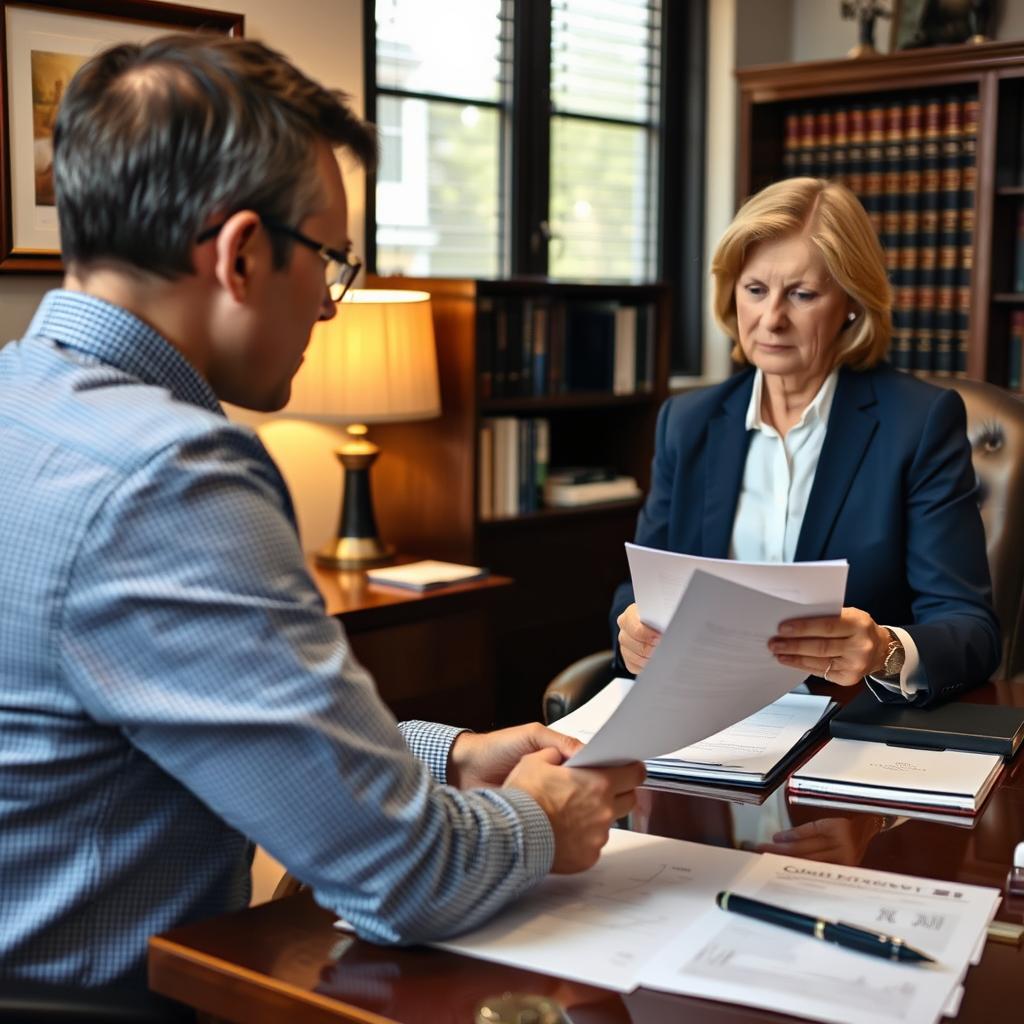
Loss of Consortium Lawyer Virginia, VA
When a spouse suffers a severe injury in a Virginia accident, the entire family bears the weight of that harm. A loss of consortium claim allows the uninjured spouse to seek compensation for the personal losses that follow—the loss of companionship, affection, comfort, and support that a marriage provides. These are not easily measured, but Virginia law recognizes their value. At Law Offices Of SRIS, P.C., Mr. Sris and his Of Counsel team work with injured spouses and their families throughout the Commonwealth to present loss of consortium claims grounded in the specific facts of each case. For a consultation about your situation, reach our firm at (888) 437-7747.
What Loss of Consortium Means in Virginia
A loss of consortium claim is a derivative cause of action under Virginia law. It arises from the underlying personal injury suffered by one spouse—often in a motor vehicle wreck, a slip-and-fall, or a medical negligence incident—and allows the uninjured spouse to recover for the intangible harms they have personally experienced because of the injury. The types of losses that may be claimed include loss of society, loss of companionship, loss of affection, loss of sexual relations, and loss of the injured spouse’s household services and support.
Virginia courts evaluate loss of consortium on a case-by-case basis. Because the claim is derivative, it is subject to the same defenses that apply to the injured spouse’s case. Virginia’s pure contributory negligence rule—one of the harshest in the country—means that if the injured spouse is found even 1% at fault for the accident, any recovery for the injured spouse is barred entirely. That same bar blocks the derivative loss of consortium claim as well. For this reason, careful evidence-gathering, early investigation, and thorough preparation are essential from the beginning of any personal injury matter that might support a consortium claim.
The procedural landscape in Virginia further shapes how these claims move forward. General District Courts have jurisdiction over civil claims not exceeding while claims above that amount proceed in the appropriate Virginia Circuit Court. Loss of consortium claims are typically filed alongside the underlying personal injury action and may be resolved through negotiation, mediation, or trial, depending on the circumstances. Mr. Sris and his Of Counsel appear in courts across Virginia—from Fairfax County to Richmond, the Shenandoah Valley, and beyond—and understand the practices and expectations of the judges and venues where these claims arise.
How Mr. Sris and His Of Counsel Handle Loss of Consortium Cases
A loss of consortium claim is not an afterthought; it requires the same meticulous attention as the primary injury claim. Mr. Sris and his Of Counsel begin by evaluating the full scope of the injured spouse’s claim and the associated consortium losses. They examine medical records, assess the impact of the injury on the marital relationship, and often consult with attorneys who can articulate how the injury has altered the family dynamic. While no dollar figure can fully capture the loss of a spouse’s companionship or emotional support, a well-prepared presentation of the evidence can make a meaningful difference in settlement discussions and at trial.
Because Virginia’s contributory negligence doctrine applies to the injured spouse, the team works intensively to identify and preserve evidence that demonstrates the other party’s fault and to counter any allegation that the injured spouse contributed to the accident. This includes accident reconstruction analysis, witness interviews, and careful review of police reports and insurance company statements. The goal is to build a record that protects both the injured spouse’s right to recovery and the consortium claim that depends on it.
Throughout the process, Mr. Sris and his Of Counsel communicate directly with clients, explaining what to expect, how the case is progressing, and the realistic range of outcomes. Cases may be resolved without trial, but when a fair settlement cannot be reached, the team is prepared to present the consortium claim in court. Mr. Sris and his Of Counsel bring extensive combined legal experience to each loss of consortium claim. Results may vary.
About Mr. Sris and His Of Counsel Team
Mr. Sris, Owner and Founder of Law Offices Of SRIS, P.C., has concentrated his practice on personal injury and related civil litigation since founding the firm in 1997. He is a former prosecutor, which gives him a practiced perspective on how opposing counsel and insurance companies evaluate claims. Mr. Sris is admitted to practice in Virginia, Maryland, the District of Columbia, New Jersey, and New York, and he personally oversees the firm’s approach to each loss of consortium matter.
Mr. Sris is supported by a team of Of Counsel attorneys engaged through Excella. Every Of Counsel attorney brings distinct litigation experience to the firm’s personal injury practice, including backgrounds in accident investigation, trial advocacy, and the handling of complex damage claims. On a loss of consortium matter, Mr. Sris and his Of Counsel work collaboratively to identify the full range of compensable losses, address contributory negligence defenses, and present a compelling case for the uninjured spouse’s recovery.
Frequently Asked Questions
What is a loss of consortium claim in Virginia?
A loss of consortium claim in Virginia is a civil action brought by the spouse of an injured person to recover damages for the loss of companionship, affection, and support that results from the injury. The claim is derivative of the injured spouse’s underlying personal injury case. If the injured spouse’s claim is barred—for instance, by contributory negligence—the loss of consortium claim is barred as well. The damages are intangible and are evaluated based on the specific evidence of how the injury affected the marital relationship.
Who can bring a loss of consortium claim in Virginia?
A loss of consortium claim in Virginia may be brought by the legally married spouse of an injured person. The claim is not available to children, parents, or other family members; it is limited to the marital relationship. The marriage must exist at the time of the injury, and the claim is typically filed in the same lawsuit as the injured spouse’s personal injury action. If the injured spouse dies, a wrongful death action may include certain consortium-type losses, but those are governed by a different statute.
How does contributory negligence affect a loss of consortium claim?
Virginia’s contributory negligence rule bars a loss of consortium claim entirely if the injured spouse is found even slightly at fault for the accident. Because the consortium claim is derivative, any fault on the part of the injured party that defeats the underlying personal injury claim also defeats the spouse’s consortium claim. Insurance companies and defense counsel often argue that the injured spouse contributed to the accident. An experienced attorney works to counter such arguments through evidence preservation, experienced attorney analysis, and thorough investigation.
What is the statute of limitations for a loss of consortium claim in Virginia?
The statute of limitations for a loss of consortium claim in Virginia is two years from the date of the injury to the spouse (Va. Code § 8.01-243(A)). Because the claim is derivative, it rises or falls with the timing of the injured spouse’s personal injury action. If the injured spouse’s claim is not filed within the two-year window, the consortium claim will be time-barred as well. Prompt action after an injury is critical to preserve the right to seek compensation for both the injured spouse and the uninjured spouse.
What damages are recoverable in a Virginia loss of consortium case?
A Virginia loss of consortium claim may recover damages for loss of society, companionship, affection, sexual relations, and the services the injured spouse would have provided to the household. These damages are intangible and are not subject to a statutory cap—Virginia does not impose a ceiling on compensatory damages in most personal injury cases. The amount is determined by the evidence presented and the jury’s assessment of the injury’s impact on the marriage. Punitive damages are rarely available in a consortium claim and are capped under Va. Code § 8.01-38.1 if applicable.
Do I need a lawyer for a loss of consortium claim in Virginia?
There is no legal requirement to hire an attorney for a loss of consortium claim, but Virginia’s contributory negligence rule and the derivative nature of the claim make experienced representation important. The insurance company will seek to minimize or deny the consortium claim by challenging the severity of the underlying injury or by arguing that the injured spouse was at fault. An attorney can help gather evidence, retain attorneys, and present the consortium losses in a manner that supports full compensation. For a consultation about your specific situation, reach Law Offices Of SRIS, P.C. at (888) 437-7747.
Learn more about our personal injury practice:
Personal Injury Lawyer Fairfax County, VA |
Personal Injury Lawyer Fairfax City, VA |
Personal Injury Lawyer Falls Church, VA |
Personal Injury Lawyer Prince William County, VA
Official Virginia legal resources:
Va. Code § 8.01-243 (statute of limitations for personal injury) |
Virginia Circuit Courts
Fairfax Location
4008 Williamsburg Court
Fairfax, VA 22032
By appointment only. Call (888) 437-7747 to schedule.
Attorney advertising. Prior results do not guarantee a similar outcome. Results may vary. Case results depend on a variety of factors unique to each case.