
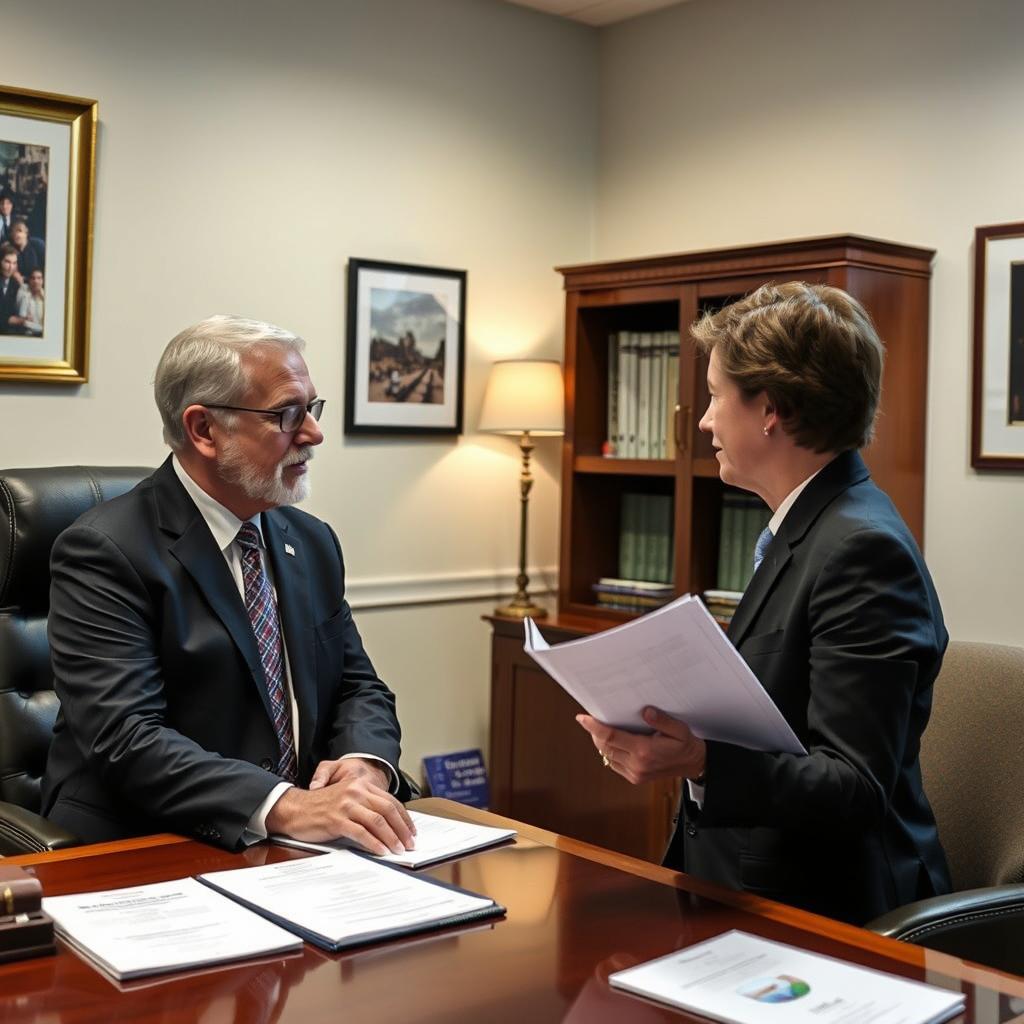
Elevator Accident Lawyer Rappahannock County, VA
Suffering an injury in an elevator accident in Rappahannock County can be a disorienting and painful experience. The rural landscape of communities like Washington, Sperryville, and Flint Hill may seem far removed from the types of urban settings where elevator accidents typically occur, but injuries in apartment buildings, commercial properties, and public facilities can happen anywhere an elevator is in operation. If you or a family member has been hurt because of a defective elevator, negligent maintenance, or another party’s failure to ensure safety, Virginia law allows you to seek compensation. However, Virginia imposes a strict legal doctrine that can bar your recovery entirely if you are found even slightly at fault. This is why consulting an experienced Elevator Accident Lawyer in Rappahannock County, VA is critical. Law Offices Of SRIS, P.C., founded in 1997, represents individuals injured in elevator accidents across Rappahannock County, including at the Rappahannock County General District Court and Circuit Court. Our Fairfax location serves the entire county; reach us at (888) 437-7747 to schedule a consultation. Law Offices Of SRIS, P.C. – Advocacy Without Borders.
What Elevator Accident Claims Mean in Rappahannock County
Elevator accident claims fall under Virginia’s premises liability, product liability, or general negligence laws. In every personal injury case, the party seeking compensation must prove that another party’s careless or wrongful conduct caused the harm. Yet Virginia’s unique contributory negligence rule can change the outcome entirely. Under this doctrine—followed by only a handful of other states—if an injured person is found even one percent at fault for the accident, they recover nothing. When an elevator malfunction or unsafe condition leads to an injury, insurance companies and defendants often assert that the injured party contributed to the event in some way. Consequently, preserving evidence and building a thorough liability case from the outset is essential.
Rappahannock County is part of Virginia’s Twentieth Judicial District. The county seat, Washington, is home to the Rappahannock County General District Court and the Rappahannock County Circuit Court, both located at 250 Gay Street, Suite 1, Washington, VA 22747. For monetary claims within the jurisdictional limit of the General District Court, a lawsuit may be filed there; claims exceeding that limit generally proceed in the Circuit Court. Regardless of the court, the strict two‑year statute of limitations under Va. Code § 8.01‑243(A) applies. Miss that deadline and the claim is permanently barred. Elevator injury victims may seek compensation for medical expenses, lost wages, pain and suffering, and other damages. Virginia does not cap compensatory damages in most personal injury cases outside of medical malpractice, making a well‑developed claim potentially significant.
Personal injury claims, including those arising from elevator accidents, must be filed within two years from the date of injury.
Source: Va. Code § 8.01-243(A). Virginia Code § 8.01-243
Reviewed by Mr. Sris, admitted in VA/MD/DC/NJ/NY.
How Mr. Sris and His Of Counsel Handle Elevator Accident Cases
When Law Offices Of SRIS, P.C. takes on an elevator accident matter, the investigation begins immediately. Our legal team gathers maintenance and inspection records, obtains any available surveillance footage, identifies witnesses, and, when necessary, consults with engineering and elevator‑systems attorneys about the mechanical cause of the failure. Determining who may be legally responsible—whether the building owner, the property management company, the elevator manufacturer, or a third‑party maintenance provider—shapes the entire claim. Multiple parties may share liability, and Virginia law allows a plaintiff to pursue compensation from each responsible entity.
Once the facts are assembled, Mr. Sris and his Of Counsel typically present a demand to the applicable insurance carriers and engage in negotiations aimed at a fair settlement. If a satisfactory offer is not made, the firm is prepared to file a civil complaint in the appropriate Rappahannock County court. Throughout litigation, our attorneys handle discovery, depositions, and any motions practice. Most personal injury cases in Virginia resolve before trial, but our team stands ready to present the case at trial if that becomes the trusted path forward. All elevator accident representations are handled on a contingency basis; the client pays no attorney fee unless a recovery is obtained. The amount of any fee is discussed at the initial consultation.
About Mr. Sris and His Of Counsel Team
Mr. Sris, Owner and Founder of Law Offices Of SRIS, P.C., is a former prosecutor who has focused his practice on representing individuals in personal injury and other civil litigation since founding the firm in 1997. He is admitted to practice in Virginia, Maryland, the District of Columbia, New Jersey, and New York. Mr. Sris and his Of Counsel bring over 120 years of combined legal experience with 4,739+ documented firm-wide results. Results may vary. The firm has documented 40 case results in Rappahannock County across all practice areas. Every case is unique, and past success is not a predictor of future outcomes. Members of the Of Counsel team contribute background knowledge from prior work in law enforcement, prosecution, and civil litigation, all of which can prove valuable when evaluating potential liability issues in an elevator accident claim.
The firm’s Fairfax location, which serves Rappahannock County, is at 4008 Williamsburg Court, Fairfax, VA 22032. Free parking is available. All meetings are by appointment; call (888) 437-7747 to schedule.
Frequently Asked Questions
What is the statute of limitations for an elevator injury claim in Rappahannock County?
Virginia law requires that a personal injury lawsuit, including one arising from an elevator accident, be filed within two years of the date of the injury. This deadline is set by Va. Code § 8.01‑243(A) and is strictly enforced; if the court finds that the two‑year period has expired, the claim is permanently barred. The clock usually starts running on the day the accident occurs. Certain exceptions, such as a delayed discovery in medical malpractice, generally do not apply to elevator accident cases. Because the timeline passes quickly, consulting an attorney early helps ensure that critical evidence is preserved and that the claim is initiated on time.
How does Virginia’s contributory negligence rule affect an elevator accident case?
Virginia follows the pure contributory negligence doctrine, which means that if a person who is injured is found even one percent at fault for the accident, they cannot recover any compensation from the other party. This is one of the most restrictive legal standards in the United States. In an elevator accident, the defense may argue that the injured person failed to pay attention, ignored a warning sign, or otherwise contributed to the injury. An experienced attorney works to counter such arguments by gathering evidence that establishes the defendant’s sole responsibility, so that the contributory negligence bar does not eliminate the claim.
Who can be held liable for injuries from an elevator accident in Virginia?
Liability for an elevator accident may rest with one or more parties, depending on the circumstances, including the building owner, a property management company, the elevator manufacturer, or a maintenance contractor. If a defective component caused the accident, the manufacturer might be strictly liable under Virginia product liability law. If poor maintenance or a failure to repair a known problem led to the injury, the property owner or the maintenance provider could be negligent. Because elevator systems involve multiple responsible entities, thorough investigation into maintenance records, inspection reports, and manufacturer specifications is key to identifying every party that may owe compensation.
What should I do immediately after an elevator accident in Rappahannock County?
Seek medical attention right away even if your injuries appear minor, report the incident to the property manager or building owner, and document everything you can safely preserve. Take photographs of the elevator interior, any visible mechanical problems, and your injuries. Obtain contact information for anyone who witnessed the event. If possible, note the elevator’s identification number and whether any inspection certificate was posted. Do not give a recorded statement to an insurance adjuster before speaking with a lawyer. Prompt action protects crucial evidence and can later support a claim for damages, particularly given Virginia’s strict contributory negligence standard.
Do I need a lawyer for an elevator accident claim in Rappahannock County?
You are not legally required to hire a lawyer, but navigating Virginia’s contributory negligence rule and the complexities of elevator‑accident liability without legal representation can be extremely risky. Insurance companies and defendants often have investigators and attorneys working from the moment an incident is reported. A lawyer can help identify the correct defendants, preserve necessary evidence, and negotiate a settlement that accounts for all categories of harm—medical bills, lost income, pain and suffering, and future care needs. At Law Offices Of SRIS, P.C., we handle elevator accident cases on a contingency basis, meaning the client pays no fee unless a recovery is made.
What types of compensation are available in a Virginia elevator accident lawsuit?
In a successful elevator accident claim, you may recover economic damages such as past and future medical expenses and lost wages, as well as non‑economic damages for physical pain, emotional distress, and diminished quality of life. If a component was dangerously defective, the manufacturer may also be liable for additional categories of harm under product liability law. Virginia does not cap compensatory damages in most personal injury cases, meaning the award is tied to the evidence presented. To build a full picture of the losses, an attorney may work with medical experts, vocational attorney, and life‑care planners who can document the accident’s long‑term impact.
Also serving: Fairfax County Personal Injury Lawyer, Fairfax City Personal Injury Lawyer, Falls Church City Personal Injury Lawyer, Prince William County Personal Injury Lawyer, Manassas City Personal Injury Lawyer
Virginia primary sources: Virginia Code § 8.01-243 – Statute of Limitations, Rappahannock County Courts, Virginia State Bar
Attorney advertising. Prior results do not guarantee a similar outcome. Results may vary.
Case results depend on a variety of factors unique to each case.